
Industrial piping systems depend heavily on stable pressure control to ensure safe and continuous operation. Engineers often select rigid pipe plastic tubing because it delivers a balance of strength, durability, and cost efficiency. However, the pressure limit is not a single fixed value. Instead, it changes based on material type, wall thickness, temperature, and installation quality. Therefore, engineers must evaluate all these factors together before selecting a tubing system for industrial use.
Material Selection Defines Pressure Performance
Material choice directly determines how much internal pressure a tubing system can handle. Different polymers, such as PVC, PE, and PP, show different mechanical strengths and deformation resistance. For example, PVC-based structures generally provide stronger rigidity and better pressure stability under continuous flow conditions. At Yixin Plastic, engineers develop customized formulations to match specific industrial requirements, such as chemical resistance, UV protection, or flame retardancy. These adjustments help improve the real-world performance of rigid pipe plastic tubing in demanding environments.
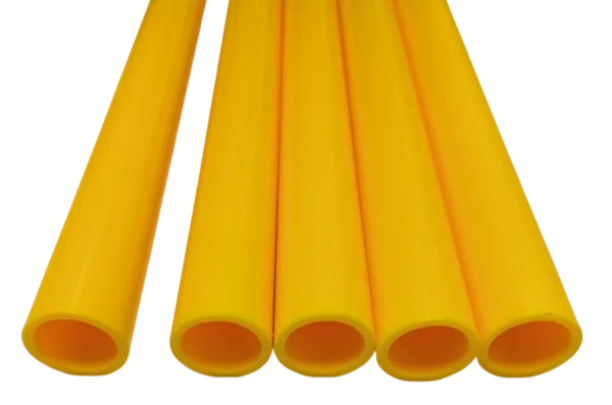
Wall Thickness and Structural Strength Control Pressure Capacity
Wall thickness plays a key role in controlling pressure resistance. When engineers increase wall thickness, the tubing can distribute internal stress more effectively and reduce deformation risk. Yixin Plastic uses precise extrusion technology to maintain uniform wall thickness across every production batch. This consistency helps rigid pipe plastic tubing maintain stable performance even under long-term pressure load. In addition, proper dimensional control reduces weak points that could lead to leakage or rupture during operation.
Temperature and Environmental Conditions Influence Pressure Limits
Temperature changes significantly affect tubing performance. High temperatures soften plastic materials and reduce their ability to resist internal pressure. On the other hand, low temperatures increase material brittleness and raise the risk of cracking under sudden impact. Therefore, engineers always evaluate working environments before system design. In outdoor or industrial conditions with temperature fluctuations, rigid pipe plastic tubing requires proper material selection to maintain safe pressure performance over time.
Installation Quality Directly Affects System Safety
Installation methods strongly influence real pressure performance in practical applications. Engineers must cut tubing accurately, align joints correctly, and select compatible fittings to prevent leakage points. Even when the material has high strength, poor installation can reduce system reliability. Yixin Plastic supports industrial users by ensuring precise dimensional accuracy, which helps improve connection stability and sealing performance in real-world installations.
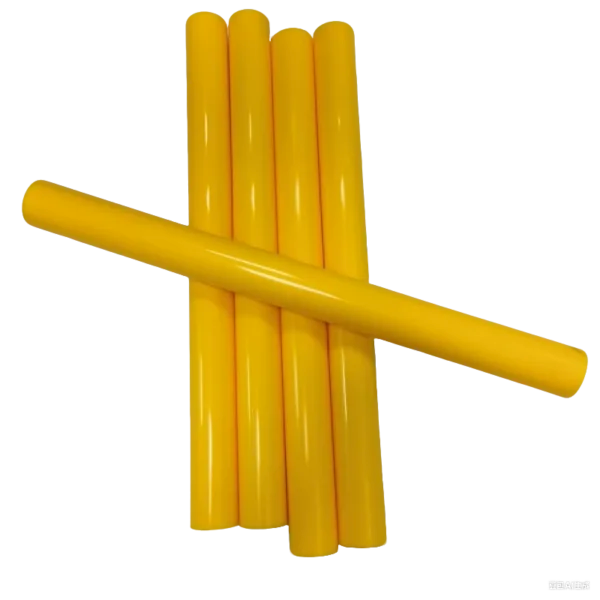
Industrial Applications and Pressure Usage Scenarios
Industries widely use rigid pipe plastic tubing in fluid transport systems, cable protection networks, construction pipelines, and equipment integration. It performs well in medium-pressure environments where stability and corrosion resistance matter more than extreme pressure resistance. Compared with metal pipes, it offers easier installation and lower maintenance costs. As a result, many engineers choose it for long-term industrial infrastructure projects.
Conclusion: Practical Pressure Limit Depends on Multiple Factors
The pressure limit of plastic tubing depends on material structure, design precision, environmental conditions, and installation quality. No single value defines all use cases. Instead, engineers evaluate each application individually. With advanced extrusion technology, Yixin Plastic produces high-precision solutions that help rigid pipe plastic tubing perform reliably in a wide range of industrial pressure environments, ensuring safety, durability, and long-term stability.



Add comment