
The development of piping systems has increased the use of HDPE plastic pipe. This high-density polyethylene pipe provides strength, durability, and chemical resistance. It works well for water supply, gas lines, and wastewater systems. Moreover, its lightweight and flexible nature makes installation easier. In this article, we explore the material, benefits, and common uses of HDPE plastic pipe.
Material Advantages
HDPE plastic pipe offers a high strength-to-weight ratio. It resists corrosion and chemical damage. In addition, its smooth interior reduces friction and improves water and gas flow. The pipe’s flexibility allows installation in tight or complex spaces without cracking. Furthermore, HDPE pipes are eco-friendly. They can be recycled and last a long time, which helps reduce overall material waste.
Industrial and Residential Applications
HDPE plastic pipe finds use in many sectors. For example, industries use it for fluid transport, chemical conveyance, and cable protection because it withstands tough conditions. In residential and municipal projects, it delivers drinking water, sewage, and irrigation efficiently. Also, it handles ground movement and temperature changes without breaking. HDPE pipes suit trenchless installation methods, which minimize construction disruption.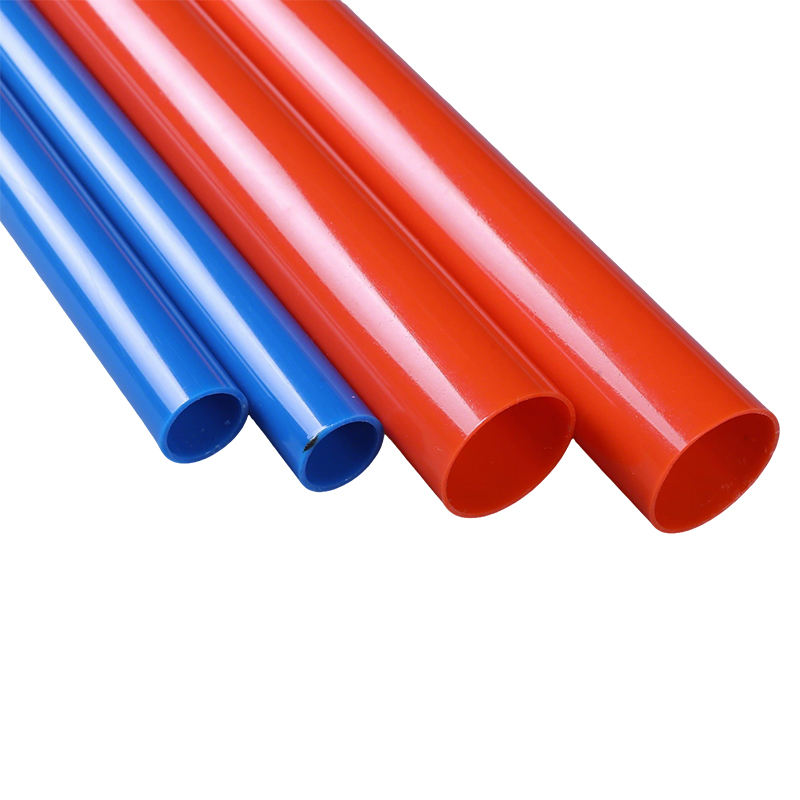
Installation and Maintenance
Installing HDPE plastic pipe is simple due to its light weight and flexibility. Workers use standard fittings and welding to connect sections without leaks. In addition, the smooth surface reduces sediment buildup, which improves efficiency. Routine inspection and proper installation help maintain long-term performance. As a result, maintenance costs stay low over the life of the system.
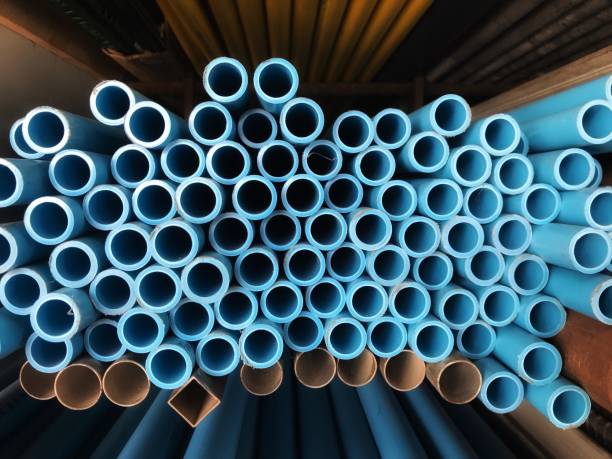
Conclusion
From its strong material to versatile applications, it plays a key role in modern piping systems. Its durability, easy installation, and reliable performance make it suitable for industrial, municipal, and residential projects. In addition, as the need for sustainable and efficient piping grows, it provides a dependable solution worldwide. Its corrosion resistance and flexibility ensure long-term use under various environmental conditions, while the smooth interior allows for efficient fluid flow. These features make it a preferred choice for modern infrastructure and construction projects.






Add comment